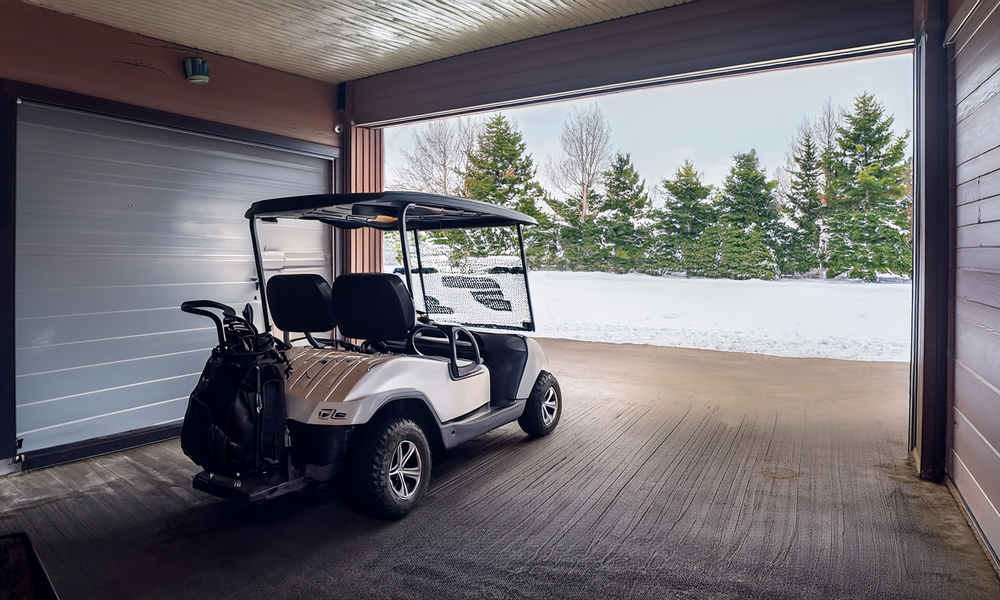
u003ch2u003eCold-Weather Charging for Lithium Golf Carts: Temperatures, Settings u0026amp; Storageu003c/h2u003ernu003cpu003eCold weather changes how lithium batteries behave. Charge acceptance slows down, range dips temporarily, and some chargers or BMS protections won’t engage until temperatures are safe. This guide shows you the u003cstrongu003esafe temperature rangesu003c/strongu003e, u003cstrongu003ebest-practice settingsu003c/strongu003e, and u003cstrongu003eseasonal storage stepsu003c/strongu003e to keep your cart healthy all winter. For distance planning, see our u003ca href=u0022https://boltenergyusa.com/how-much-range-can-i-get-from-my-lithium-golf-cart-battery/u0022u003egolf cart range guideu003c/au003e and use the u003ca href=u0022https://boltenergyusa.com/distance-calculator-2/u0022u003eGolf Cart Distance Calculatoru003c/au003e.u003c/pu003ernu003cpu003eu003cstrongu003eQuick takeawaysu003c/strongu003eu003c/pu003ernu003culu003ernu003cliu003eu003cstrongu003eCharging window:u003c/strongu003e Most lithium batteries prefer charging at roughly u003cstrongu003e32–113°F (0–45°C)u003c/strongu003e; below freezing, many BMSs limit or block charge current.u003c/liu003ernu003cliu003eu003cstrongu003eWarm first, then charge:u003c/strongu003e If the pack is cold-soaked, bring it above freezing before bulk charging (heated space, pack heater, or let it warm indoors).u003c/liu003ernu003cliu003eu003cstrongu003eStorage target:u003c/strongu003e Park at u003cstrongu003e40–60% state of charge (SOC)u003c/strongu003e for multi-week storage and top up monthly if needed.u003c/liu003ernu003cliu003eu003cstrongu003eUse the right charger/profile:u003c/strongu003e An u003ca href=u0022https://boltenergyusa.com/best-practices-for-charging-golf-cart-batteries/u0022u003eapproved lithium charger and correct profileu003c/au003e (36/48/72V) prevents under/overcharge in the cold.u003c/liu003ernu003c/ulu003e
u003ch2u003eWhy Cold Affects Lithium Batteriesu003c/h2u003ernu003culu003ernu003cliu003eu003cstrongu003eLower chemical activity:u003c/strongu003e In low temps, lithium-ion internal resistance rises, so charging is slower and regen/acceptance is reduced.u003c/liu003ernu003cliu003eu003cstrongu003eBMS protections:u003c/strongu003e Many Battery Management Systems u003cemu003eintentionally block or limit chargeu003c/emu003e below freezing to protect the cells.u003c/liu003ernu003cliu003eu003cstrongu003eTemporary range dip:u003c/strongu003e Cold impacts discharge, too—expect fewer miles per charge until temps normalize.u003c/liu003ernu003c/ulu003e
u003ch2u003eSafe Temperature Rangesu003c/h2u003ernu003culu003ernu003cliu003eu003cstrongu003eCharging:u003c/strongu003e Ideal ~u003cstrongu003e50–86°F (10–30°C)u003c/strongu003e. Acceptable ~u003cstrongu003e32–113°F (0–45°C)u003c/strongu003e if the BMS allows it.u003c/liu003ernu003cliu003eu003cstrongu003eDischarging (driving):u003c/strongu003e Typically safe down to well below freezing, but expect performance/range to drop as it gets colder.u003c/liu003ernu003cliu003eu003cstrongu003eStorage:u003c/strongu003e Cool, dry environment is best. Avoid prolonged u003cemu003esubfreezingu003c/emu003e storage without top-ups.u003c/liu003ernu003c/ulu003ernu003cpu003eu003cemu003eTip:u003c/emu003e If your charger “won’t start” on a cold morning, the BMS may be holding charge off. Warm the pack above 32°F (0°C) and try again.u003c/pu003e
u003ch2u003eCold-Weather Charging Best Practicesu003c/h2u003ernu003culu003ernu003cliu003eu003cstrongu003eWarm the pack first:u003c/strongu003e Move the cart/pack indoors, use a battery heater if equipped, or let ambient warmth raise the pack above freezing.u003c/liu003ernu003cliu003eu003cstrongu003eUse an approved lithium charger:u003c/strongu003e Match voltage (36/48/72V) and use the manufacturer’s lithium profile—see our u003ca href=u0022https://boltenergyusa.com/best-practices-for-charging-golf-cart-batteries/u0022u003ebest practices for charging golf cart batteriesu003c/au003e.u003c/liu003ernu003cliu003eu003cstrongu003eAvoid topping at extreme cold:u003c/strongu003e If you must charge near 32°F, keep current modest and allow extra time; resume normal charging once the pack is warmer.u003c/liu003ernu003cliu003eu003cstrongu003eDon’t store at 0% or 100%:u003c/strongu003e For off-days, finish near 60–80% SOC. For multi-week storage, park at 40–60% SOC.u003c/liu003ernu003cliu003eu003cstrongu003eCheck connections u0026amp; tires:u003c/strongu003e Clean, tight lugs and proper tire pressure reduce winter inefficiency.u003c/liu003ernu003c/ulu003e
u003ch2u003eSeasonal Storage Settings (30/60/90 Days)u003c/h2u003ernu003culu003ernu003cliu003eu003cstrongu003eBefore storage:u003c/strongu003e Charge to ~u003cstrongu003e40–60% SOCu003c/strongu003e. Power down accessories; verify charger is u003cemu003edisconnectedu003c/emu003e (no float/trickle needed for lithium).u003c/liu003ernu003cliu003eu003cstrongu003eMonthly check:u003c/strongu003e If the cart sits in the cold, check SOC monthly and top to ~60% if it drifted lower.u003c/liu003ernu003cliu003eu003cstrongu003eWake-up procedure:u003c/strongu003e Bring the cart into a moderate environment, let the pack warm, then charge to your normal target before first winter ride.u003c/liu003ernu003c/ulu003e
u003ch2u003eCharger Profiles u0026amp; Compatibilityu003c/h2u003ernu003culu003ernu003cliu003eu003cstrongu003eCorrect voltage profile:u003c/strongu003e Ensure the charger matches system voltage and lithium chemistry; disable equalize/float intended for lead-acid.u003c/liu003ernu003cliu003eu003cstrongu003eObserve charge current:u003c/strongu003e In the cold, lower current can be safer; follow your pack’s recommended winter charge rate.u003c/liu003ernu003cliu003eu003cstrongu003eCables u0026amp; AC supply:u003c/strongu003e Cold-stiffened cables and weak outlets cause nuisance faults—verify tight, clean connections and a solid AC source.u003c/liu003ernu003c/ulu003e
u003ch2u003ePre-Ride u0026amp; Post-Ride Cold-Weather Checklistu003c/h2u003ernu003culu003ernu003cliu003eu003cstrongu003ePre-ride:u003c/strongu003e Warm the pack if cold-soaked; check tires; confirm SOC; start gently to reduce voltage sag.u003c/liu003ernu003cliu003eu003cstrongu003eDuring ride:u003c/strongu003e Favor steady speeds; avoid long hill climbs if you’re near empty; limit heavy accessory use.u003c/liu003ernu003cliu003eu003cstrongu003ePost-ride:u003c/strongu003e Park in a warmer area; let the pack equilibrate; then charge to your target SOC (don’t store at 0%).u003c/liu003ernu003c/ulu003e
u003ch2u003eTroubleshooting in the Cold (Quick Wins)u003c/h2u003ernu003culu003ernu003cliu003eu003cstrongu003eCharger won’t start:u003c/strongu003e BMS low-temp protection likely active—warm the pack, verify AC, and restart.u003c/liu003ernu003cliu003eu003cstrongu003eCart shuts off or sags:u003c/strongu003e Cold increases resistance; drive gently until the pack warms; avoid deep discharges.u003c/liu003ernu003cliu003eu003cstrongu003eShort range day-to-day:u003c/strongu003e Normal in winter. Plan shorter routes or a mid-day top-up; verify tires and weight. For distance planning, see our u003ca href=u0022/how-much-range-can-i-get-from-my-lithium-golf-cart-battery/u0022u003egolf cart range guideu003c/au003e.u003c/liu003ernu003c/ulu003e
u003ch2u003eWarranty Note (Bolt Energy USA)u003c/h2u003ernu003cpu003eBolt Energy USA provides a u003cstrongu003e10-year limited warrantyu003c/strongu003e on its lithium packs. For winter use, follow the recommended u003cemu003echarging temperatures, approved chargers, and storage SOCu003c/emu003e to stay within guidelines. Review the full policy here: u003ca href=u0022https://boltenergyusa.com/wp-content/uploads/2026/04/Nivel-Bolt-Energy-Warranty.pdfu0022u003e10-year limited warrantyu003c/au003eu003c/pu003e