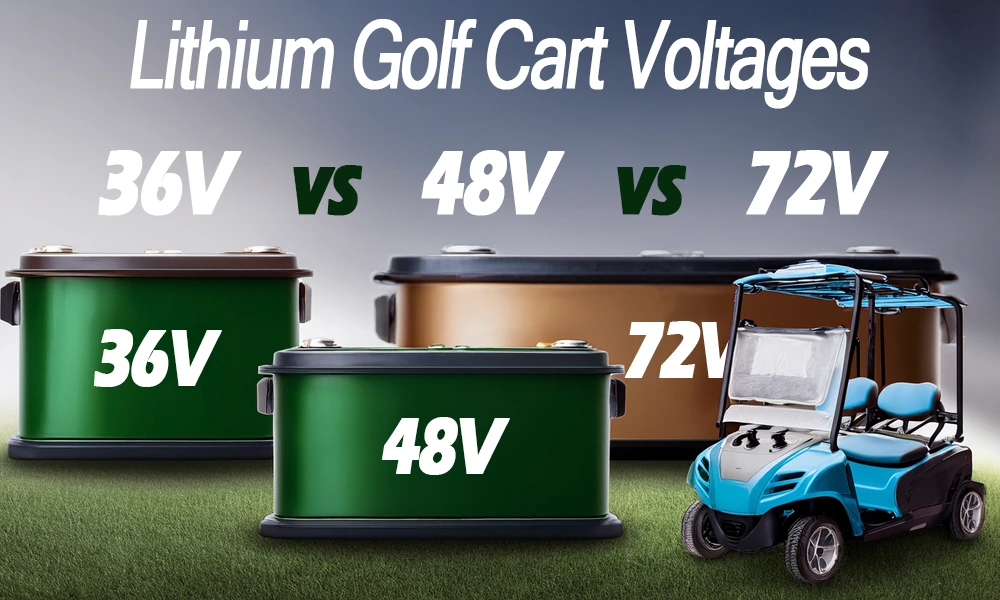
In this article, we’ll break down what each system offers, how voltage impacts speed and torque, and which configuration might be the best fit for your golf cart.
36V Golf Cart Systems
Older golf carts typically use 36-volt systems. These setups are simple, affordable, and easy to maintain — but they provide less torque and slower speeds than modern systems.
Typical features of 36V systems:
- Powered by six 6-volt batteries
- Top speeds around 12–14 mph
- Best suited for flat courses or light use
- Lower overall cost but less efficiency
If your 36V cart struggles on hills or with range, it may be time for an upgrade. Read How to Tell if Your Golf Cart Battery Needs Replacement to recognize the warning signs.
48V Golf Cart Systems
Most modern golf carts now use 48-volt systems. They strike an ideal balance between power, range, and efficiency.
Typical features of 48V systems:
- Powered by six 8-volt or four 12-volt batteries
- Top speeds around 19–22 mph
- Improved torque for moderate hills
- More efficient and longer-lasting charge cycles
A 48V cart performs well for neighborhood use, resort transportation, or small commercial fleets. It’s also the most common base for lithium conversions — see How to Extend the Range of Your Golf Cart with Lithium Batteries to learn why.
72V Golf Cart Systems
High-performance 72-volt systems are designed for speed and heavy-duty torque. These setups are popular for lifted carts, off-road builds, and street-legal conversions.
Typical features of 72V systems:
- Powered by six 12-volt batteries or a single 72V lithium pack
- Top speeds exceeding 25 mph
- Superior torque for steep terrain
- Requires upgraded controller, wiring, and solenoid
Upgrading to a 72V system can transform a standard golf cart into a true performance machine. If you’re interested in speed and power, explore our White Lightning Speed Motor for compatible performance enhancements.
Voltage vs Speed and Torque
Voltage determines how much electrical pressure pushes current through the system. In simple terms — higher voltage = higher speed potential with less strain on the system.
| System Voltage | Typical Speed (mph) | Torque Level | Best For |
|---|---|---|---|
| 36V | 12–14 | Light | Flat terrain / short rides |
| 48V | 19–22 | Medium | Neighborhood / resort use |
| 72V | 25+ | High | Performance / lifted carts |
Higher voltage systems deliver power more efficiently because they draw less current for the same output. That means cooler operation and better overall battery health.
Choosing the Right System
Picking the correct voltage depends on how you use your cart. Consider these factors:
- Terrain: Flat courses can run fine on 36V. Hilly or rough terrain benefits from 48V or 72V.
- Usage: Daily drivers or utility carts often prefer 48V for range and torque balance.
- Budget: 36V systems are cheaper but less efficient. Lithium upgrades save money long-term.
If you’re unsure which fits your needs, try our Lithium Battery Range Calculator to estimate how voltage impacts your expected range.
Upgrading to Lithium
Regardless of system voltage, switching to lithium brings immediate benefits — lighter weight, faster charging, and longer lifespan. Lithium packs also maintain full voltage until nearly empty, giving your cart consistent power throughout the ride.
When upgrading, pair your system with a compatible charger and make sure your Battery Management System (BMS) is configured for your cart’s voltage. Learn more in Best Practices for Charging Golf Cart Batteries.
Frequently Asked Questions
Can I convert my 36V cart to 48V?
Yes, many owners upgrade their 36V carts by replacing the motor controller and battery pack. This provides more torque and speed, especially when switching to lithium.
Is higher voltage always better?
Not always. Higher voltage improves performance but increases cost and may require upgraded wiring or controllers. Match voltage to your driving needs and terrain.
Does voltage affect battery life?
Indirectly. Higher voltage systems draw less current for the same workload, so batteries experience less stress and longer lifespan when properly maintained.
Conclusion
Understanding golf cart voltage is key to maximizing performance and making smart upgrade choices. A 36V system is budget-friendly, 48V balances power and efficiency, and 72V delivers top-tier performance.
No matter your setup, upgrading to a quality lithium battery from Bolt Energy USA ensures smoother rides, better range, and lasting reliability.
Ready to power up? Visit our Dealer Locator to find a certified installer near you.